Why a Pie Shop Is More Than Just a Bakery

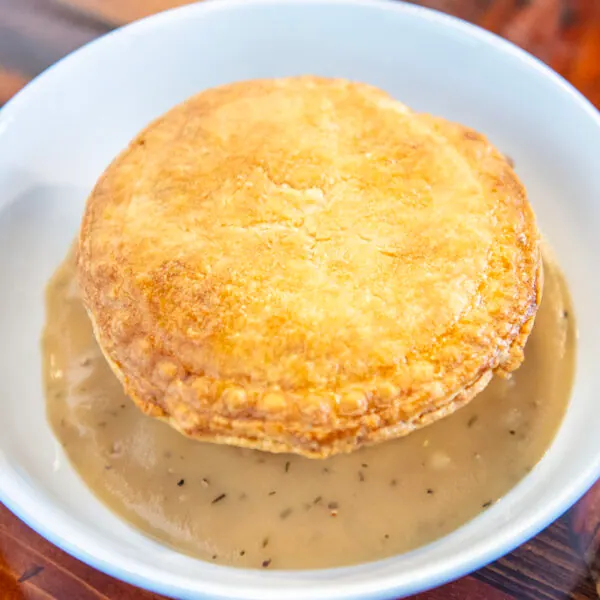
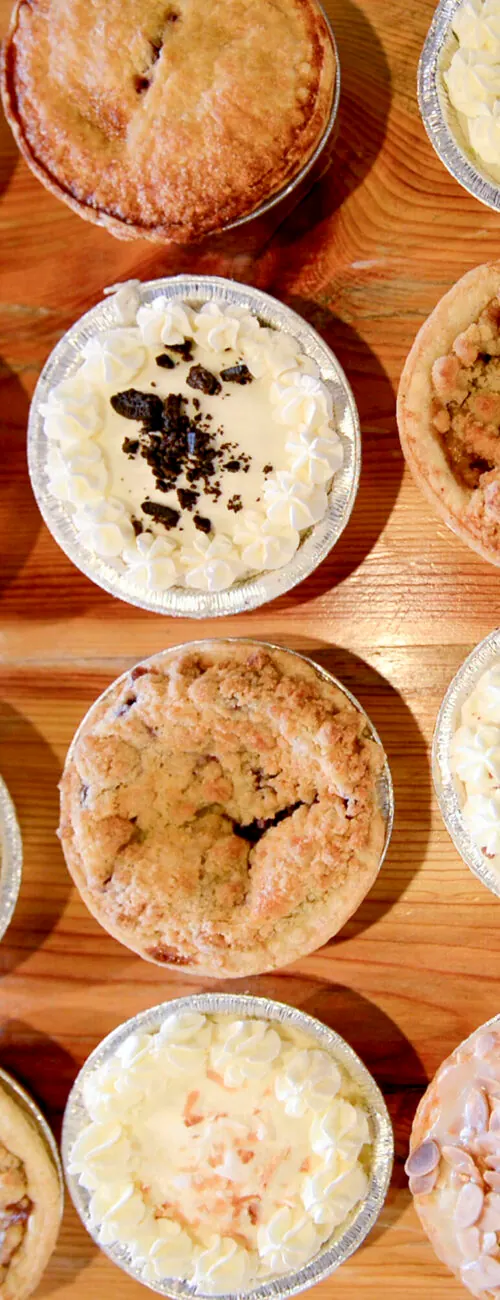
Walk into a good pie shop and you can tell, almost immediately, that you are not in an ordinary bakery. The clues are sensory before they are intellectual. The air smells of butter, spice, and fruit cooked down to its essence. The display case has heft to it. The products look grounded, almost architectural. A croissant may impress with layers, a macaron with precision, but a pie carries a different kind of presence. It promises comfort, generosity, and a meal or gathering built around sharing.
That difference matters more than it first appears. A pie shop does not simply sell baked goods. At its best, it occupies a space somewhere between bakery, kitchen, neighborhood anchor, and memory keeper. The work is culinary, certainly, but it is also cultural and practical. Pies are bound up with holidays, family rituals, funerals, Sunday dinners, roadside stops, and small celebrations people do not always mark with cake. When someone seeks out a pie, they are often buying more than dessert. They are buying a familiar center point for a table.
Anyone who has spent time in food retail knows that categories can be misleading. On paper, a pie shop might sit under the broad heading of bakery. In practice, the business runs by a different rhythm. Its product line is narrower, but often deeper. Its customers tend to return for reasons that have as much to do with trust as novelty. Its output requires a balance of pastry skill, savory cooking, fruit handling, timing, and restraint. And the emotional expectations attached to each box that leaves the counter are unusually high.
The pie itself asks for a different craft
A bakery can be many things at once. Bread program, laminated pastry, cookies, celebration cakes, breakfast items. A pie shop, by contrast, commits itself to a product that sounds simple but is surprisingly unforgiving. Good pie is not just about making crust and filling. It is about managing moisture, texture, temperature, and proportion, often within a very tight margin for error.
Crust is where many pie shops quietly earn their reputation. A customer may not describe the chemistry, but they know when a crust shatters too hard, slumps under filling, tastes flat, or turns soggy at the base. Flaky dough depends on discipline more than romance. Butter temperature matters. Resting time matters. Handling matters. So does humility. Overwork the https://rafaeliolx049.lucialpiazzale.com/why-a-pie-shop-is-the-perfect-dessert-destination dough by a few minutes and the result may still look decent in the case, but it will eat tough. Underbake the bottom crust on a fruit pie and the first slice will tell on you.
Fillings present their own complications. Apple pie is not one thing. The variety of apple changes the amount of sugar, lemon, spice, and thickener needed. Summer berries can release far more liquid than frozen fruit. Custard pies demand precision because eggs do not negotiate. Savory pies widen the skill set further. Chicken pot pie, steak and ale, mushroom and leek, or hand pies for lunch service all require the standards of a hot kitchen, not only a pastry bench.
That is one reason a pie shop feels different from a standard bakery operation. It is not merely producing sweets for impulse purchase. It is cooking complete compositions, many of which need to stand up to reheating, travel, slicing, and serving hours after they leave the oven. A pie has to perform.
Portion, pace, and the logic of sharing
Most bakery goods are sold as individual units. One person orders one muffin, one cinnamon roll, one éclair. Pie changes the social equation. A whole pie assumes a group, or at least the possibility of one. Even a slice carries the idea of a larger whole. That affects how people shop and how the business operates.
A customer buying a pie often asks practical questions that sound closer to catering than casual retail. How many people will this serve? Can I pick it up tonight and bake it tomorrow? Does it need refrigeration? Will it travel well for an hour in the car? Can it survive being set on a buffet table? Is it sweet enough for dessert but not so rich that older relatives will refuse a second bite? Those are not fringe concerns. They are central to the transaction.
This is where a pie shop develops authority. Over time, the staff learns that a deep dish apple pie may generously serve eight, perhaps ten modest slices if there are other desserts. A rich chocolate cream pie might need colder holding and cleaner cutting than a pecan pie. A savory pie can rescue a weeknight dinner for a family that has no energy left to cook. The shop is not only selling product, it is helping customers solve logistical and emotional problems.
In my experience, the strongest food businesses are often the ones that quietly reduce friction. A dependable pie shop does exactly that. Thanksgiving becomes less stressful. A new parent receives something more useful than flowers. An office lunch gets warmer and less generic. A Sunday visit to grandparents feels more deliberate when you arrive carrying a pie box rather than a plastic tray of supermarket cupcakes.
Memory is part of the business
Few foods trigger memory as quickly as pie. Bread may be older as a staple, and cake may dominate birthdays, but pie occupies a particular emotional register. It is domestic without being plain. Ceremonial without being stiff. Regional without being inaccessible. Mention peach pie, sweet potato pie, key lime pie, shoofly pie, tourtière, shepherd's pie, or meat pie, and people start telling stories.
A pie shop trades in those associations, whether it intends to or not. That can be an advantage, but it comes with responsibility. Nostalgia is powerful, and customers do not judge nostalgic foods by the same standard they apply to trend-driven pastries. If a pistachio cruffin misses the mark, people move on. If a cherry pie tastes canned, oversweetened, or oddly perfumed, customers feel let down in a deeper way. They compare it to family recipes, holiday tables, and childhood expectations.
That is why the best pie shops understand the difference between innovation and showing off. Creative flavors can work beautifully, but only when they respect the grammar of pie. Brown butter maple pecan makes sense because it extends what people already love in pecan pie. Roasted strawberry rhubarb with black pepper can feel fresh without losing the plot. But flavors stacked for novelty alone often collapse under their own cleverness. Pie rewards judgment more than spectacle.
A skilled owner knows when to leave a classic alone. There is no medal for reinventing every standard. Sometimes the most professional choice is to make the apple pie taste unmistakably like apple pie, only better balanced, better baked, and more consistent than what most people can manage at home.
A pie shop often behaves like a neighborhood institution
There are food businesses people admire, and there are food businesses people rely on. A pie shop has a strong chance of becoming the second kind. Part of that is frequency. Customers may not buy whole pies every week, but when they do, the purchase tends to matter. The pie appears at moments that count.
That creates a relationship unlike the one a customer has with a purely occasional dessert spot. Names get remembered. Orders are phoned in for birthdays and church suppers. Staff hear the same family stories every November. Local businesses send savory pies to teams working late. Teachers are given gift certificates. A widow who used to come in with her husband now buys half the order she once did, and the counter staff notices. Over time, the pie shop becomes woven into local life.
This role becomes even more visible in smaller towns and urban neighborhoods where independent food businesses still serve as informal gathering points. The pie shop window tells people the season before a calendar does. Strawberry rhubarb means spring. Peach and blueberry mean high summer. Pumpkin, pecan, and mincemeat announce the turn toward colder months. Savory pies and pot pies rise when evenings darken earlier. Seasonal rotation is not just menu planning. It is a kind of public rhythm.
There is also an economic dimension. A focused pie shop can create demand for local fruit, dairy, eggs, flour milling partnerships, and even nearby coffee programs. If the owner buys apples by the bushel from a regional orchard or works through ugly fruit that would not meet grocery cosmetic standards, the business supports an ecosystem larger than itself. That does not mean every pie shop sources everything from within twenty miles. Reality is messier than that. Citrus may come from far away. Butter pricing may force compromises. But the model still lends itself to meaningful local ties more naturally than many broader bakery concepts.
Sweet gets the attention, savory builds the case
When people imagine a pie shop, they usually picture fruit pies cooling on racks. Fair enough. Sweet pies are often the headline. But savory pies are frequently what make the model more substantial, both financially and culturally.
A customer might treat a slice of apple pie as a pleasure purchase. A chicken pot pie, on the other hand, can be dinner. It solves a different problem and reaches a different budget logic. Families are often more willing to spend on a prepared savory pie if it replaces a full meal out. Office workers may come in for hand pies at lunch and remember the place when they need dessert for a weekend gathering. Once that happens, the shop shifts from being a treat destination to being part of regular food life.
Savory production also broadens the shop's identity. The team must season fillings properly, control food safety with care, and understand that gravy, braise, and vegetable cookery matter just as much as crust. A bland filling hidden in a beautiful pastry shell is one of the quickest ways to expose weak standards. Customers forgive less than owners think. If the chicken is dry or the sauce floury, the pie feels stingy no matter how handsome it looks.
This is one area where a dedicated pie shop separates itself from a bakery that occasionally offers quiche or turnovers. The savory line is not an afterthought. It has to stand on its own culinary legs.
Operations are harder than outsiders expect
From a distance, a pie shop can look charmingly straightforward. Fewer stock-keeping units than a full bakery. Clear specialty. Strong holiday demand. In practice, it is a demanding business.
The first challenge is forecasting. Pie sales can swing wildly around weekends, weather, school calendars, and holidays. Underproduce and you miss meaningful revenue. Overproduce and you are left with product whose quality drops quickly. Some pies hold well, but not indefinitely. Cream pies and meringue pies are particularly unforgiving. Fruit pies may sell for a day or two, but the crust is always on the clock.
Labor is another hidden pressure point. Rolling dough at scale is physically repetitive. Lattice tops take time. Blind baking takes oven space. Cooling capacity matters more than many first-time operators realize. So does packaging. A box that costs a bit more but protects the crimp and prevents condensation can save both product and reputation.
Then there is the calendar. A pie shop lives through demand spikes that are both lucrative and brutal. The week before Thanksgiving can bring a volume multiple of normal trade. That sounds like a dream until you are managing preorder cutoffs, refrigeration overflow, temporary staff, ingredient shortages, and customers who forgot to order but still hope for a miracle. Anyone who has worked one of those weeks knows that holiday pie production is equal parts craftsmanship and military exercise.
Several operational truths shape the business every day:
- Consistency beats ambition when volume surges.
- A short menu executed well usually outperforms a sprawling one.
- Packaging, labeling, and reheating instructions are part of the product.
- Preorders protect sanity, but only if pickup systems are disciplined.
- Seasonal specials should support the core, not disrupt it.
Those are not glamorous insights, but they are often the difference between a beloved local pie shop and a business that burns out in three years.
Price tells a story, and customers notice
One of the hardest conversations in specialty food is price. Pie seems humble, and customers often carry a home-cooking reference point into the shop. They may compare the sticker price to a pan of brownies, or to what they remember a grocery pie costing ten years ago. The comparison is rarely fair.
A well-made pie contains expensive ingredients in substantial quantity. Butter alone can swing food cost dramatically. Fruit yield is unpredictable. Good chocolate, nuts, cream, eggs, and quality flour add up fast. Then there is labor. Crimping a crust is not just decorative, it takes time. So does peeling apples, toasting pecans, cooking fillings, washing tins, and boxing finished goods carefully enough that they arrive intact.
The challenge is that customers do not always see those costs. They see a familiar object and assume simplicity. A smart pie shop bridges that gap by making value visible without becoming defensive. Generous slices help. So does product integrity. Heavy fillings, real butter crust, clean flavors, and reliable service justify more than signage ever will. People may flinch once at a premium price, but they return if the pie feels worth bringing to an important table.
There is also a ceiling. Not every market supports luxury pricing, and not every pie should aspire to it. Some shops thrive by being excellent and approachable rather than precious. Others succeed with a more upscale model if the branding, ingredients, and customer base align. The key is honesty. A pie shop fails when its prices signal one level of craft and the eating experience delivers another.
The best pie shops understand hospitality, not just baking
There is a reason people remember how they were treated when buying food for meaningful occasions. If someone is ordering a pie for a memorial, a first holiday after a divorce, a long-awaited family visit, or a birthday for a parent who claims not to want any fuss, the transaction carries emotional weight. Staff do not need to become therapists, but they do need tact.
Good hospitality in a pie shop is specific. It sounds like clear guidance, not vague enthusiasm. It means telling a customer that the strawberry pie is beautiful but too delicate for a two-hour drive in August. It means suggesting two smaller pies instead of one very rich one if the gathering includes children and older adults. It means writing pickup instructions that are impossible to misunderstand. It means being calm on the busiest day of the year when the line is out the door and half the customers are already stressed.
These details may seem small, but they shape reputation as much as the crust does. Food businesses that survive tend to build trust in layers. Product quality begins the relationship. Reliability keeps it alive.
A pie shop preserves something that many food businesses have lost
Specialization can look old-fashioned in an era of hybrid concepts and menus engineered for social media. But there is strength in a business that knows exactly what it is. A pie shop does not need to be all things to all people. Its focus can create depth, and depth often creates loyalty.
That focus also protects a kind of culinary knowledge that is easy to undervalue. Pie making sits at the intersection of pastry, home cooking, and seasonal preservation. It teaches patience. It rewards practical intelligence. It values scraps and trimmings, odd-sized fruit, and recipes refined over years rather than weeks. In a food culture that sometimes confuses novelty with excellence, pie remains wonderfully stubborn. You cannot bluff your way through it for long.
For customers, that stubbornness reads as comfort. For owners and bakers, it reads as discipline. For communities, it can become continuity. When a pie shop is run well, it does more than produce dessert. It carries forward methods, flavors, and habits of gathering that might otherwise fade into vague nostalgia.
That is why a pie shop is more than just a bakery. It cooks for milestones and ordinary Tuesdays. It sells slices, but also reassurance. It depends on technical skill, but earns its place through trust. And when it is truly good, it becomes one of those rare businesses people speak about with both appetite and affection, which is often the clearest sign that it matters beyond the food itself.
3.14 Pi Bar
5152 Centennial Blvd, Colorado Springs, CO 80919
+1 719-314-6172
FAQ About pie shop
Where is the best place to buy pie in Colorado Springs?
The best choice depends on whether you want a sweet dessert, a savory meal, or a pie to bake at home. 3.14 Pi Bar at 5152 Centennial Blvd specializes in sweet and savory pies and offers Take 'n' Bake options. Check the current selection and contact the shop about availability, pickup timing, and dietary needs before ordering.
Who makes the best pot pies in Colorado Springs, CO?
Preferences vary by filling, crust, and portion size. 3.14 Pi Bar offers hearty savory pot pies alongside its sweet pies. Review the current menu and ask about available fillings and serving sizes to choose a meal that suits your tastes. Specific varieties may change.
Who has the best apple pie in Colorado Springs?
Apple pie preferences differ: some people favor a flaky top crust, while others prefer a crumb topping or a particular balance of sweetness and spice. 3.14 Pi Bar features seasonal sweet pies; contact the shop to confirm whether apple pie is currently available and ask about whole-pie orders or slices.