Top Dessert Trends Inspired by Pie Cafe Colorado Springs
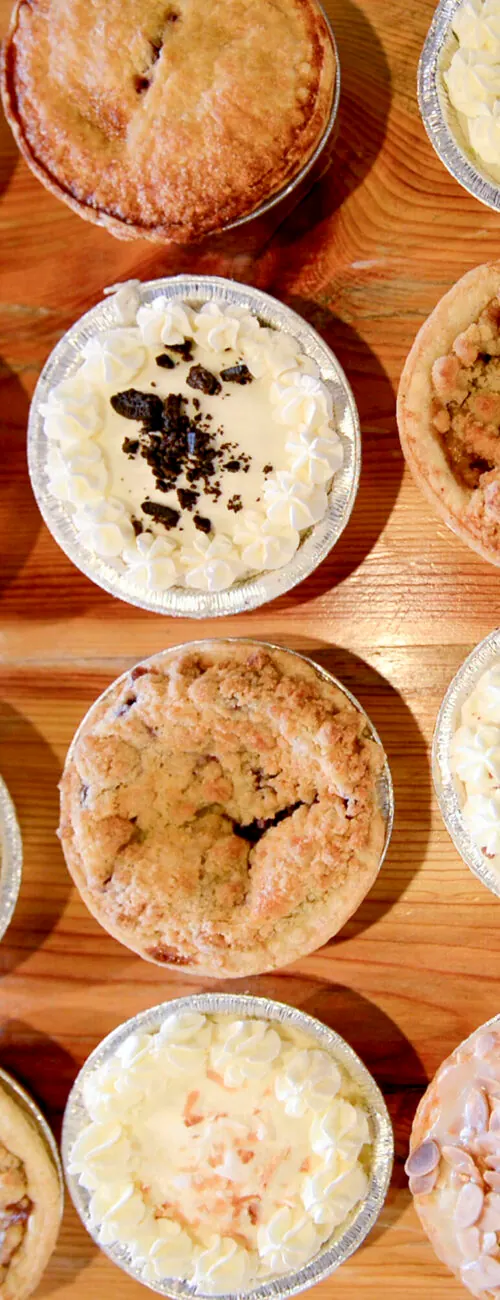


Colorado Springs has never been a city that follows dessert trends passively. It absorbs them, tests them against altitude, season, and local taste, then reshapes them into something more grounded and more memorable. That is part of what makes the rise of destination dessert spots so interesting here. A place like pie cafe colorado springs does more than serve slices. It gives a clear view into what people want right now, what they are tired of, and what they will gladly come back for on a Tuesday afternoon.
Spend enough time around bakeries, cafes, and dessert counters, and patterns start to emerge. Customers talk about flavor, but they are also responding to texture, portion size, nostalgia, presentation, and whether a dessert feels worth the price. Operators talk about labor, waste, ingredient stability, and what actually holds up in a display case. The best trends sit right where those concerns meet. They taste current, but they also make operational sense.
Pie has become one of the strongest lenses for understanding those shifts. It is familiar enough https://telegra.ph/Classic-and-Creative-Choices-at-Pie-Cafe-Colorado-Springs-11-24 to comfort people, flexible enough to absorb new influences, and visual enough to perform well in a cafe setting. Around Colorado Springs, that combination has turned pie into a barometer for broader dessert preferences. What follows are the dessert trends that stand out most, and why they matter beyond a single menu.
The return of comfort desserts with sharper execution
For years, dessert menus chased novelty for its own sake. There were extravagant mashups, oversized garnishes, and presentations built more for photos than for appetite. Some of those ideas still sell, especially to younger guests or during holiday traffic, but there has been a clear correction. People still want fun, but they also want desserts that taste like someone cared about the fundamentals.
That is where pie has an advantage. A strong crust, a balanced filling, and a clean bake communicate skill in a way that no glitter or towering whipped topping can fake. Customers recognize it quickly. They may not always know why one apple pie tastes better than another, but they know when the crust shatters lightly instead of going leathery, when the fruit tastes bright instead of sugary, and when the spice blend complements rather than overpowers.
The trend here is not simply “comfort food is back.” Comfort food never really left. What has changed is the level of scrutiny. A dessert that leans nostalgic now has to be precise. Banana cream needs real depth from vanilla and dairy, not just sweetness. Chocolate silk has to feel rich without becoming heavy. Key lime must deliver tang and lift. In practical terms, this means bakeries that win are the ones that treat classics like they are worth perfecting, not just reproducing.
That shift also fits the rhythm of Colorado Springs. This is a market with military families, tourists, retirees, young professionals, and longtime locals. Tastes overlap, but not everyone wants the same kind of spectacle. Reliable, beautifully made classics can satisfy a much broader range of people than trend-chasing desserts with a short shelf life.
Seasonal flavor is no longer optional
Seasonality used to function as a nice touch. Now it is a serious expectation. Customers want to know that menus reflect the time of year, especially in places that position themselves as local, handcrafted, or ingredient-driven. In a pie-focused cafe, that expectation becomes an opportunity because pie has always been naturally seasonal.
Summer opens the door to stone fruit, berries, and lighter custards. Fall belongs to apple, pumpkin, pecan, maple, and warm spice. Winter supports citrus, chocolate, and richer profiles that pair well with coffee. Spring often favors rhubarb, lemon, coconut, and transitional flavors that feel brighter after months of heavier baking. These cycles are familiar, but what feels fresh now is how intentionally they are being handled.
The best dessert menus are not just swapping fillings each quarter. They are adjusting the entire dessert experience. A late-summer peach pie may lean less sweet to let ripe fruit lead. A winter chocolate cream pie may be paired with a darker roast coffee and a touch less whipped topping for balance. A spring lemon pie may use a saltier crust or a brûléed finish to cut through acidity. This is the kind of decision-making that experienced pastry teams talk about quietly, but guests absolutely notice the result.
For operators, seasonality also creates a practical advantage. It gives people a reason to return. Regulars come back to revisit favorites before they disappear. Tourists feel they are getting something tied to the place and moment. Limited seasonal offerings can also help with forecasting because they create spikes around specific flavors and holidays. The trick is restraint. Too many rotating items can confuse the menu and strain production. A few well-chosen seasonal pies usually outperform an overloaded case.
Fruit-forward desserts are getting more sophisticated
One of the more notable changes in dessert preferences is the move away from blunt sweetness. Customers still enjoy indulgence, but many now prefer desserts where fruit, acid, salt, and bitterness play a stronger role. Pie naturally suits this trend, especially when bakers let fruit do more of the work.
Blueberry filling that tastes of actual blueberry rather than generic sugar. Cherry pie with enough tartness to wake up the palate. Strawberry-rhubarb that embraces rhubarb’s edge instead of burying it. Citrus custards with a little bitterness from zest. These are not radical ideas, but they are increasingly valued. People want desserts that finish clean.
Altitude makes this especially relevant in Colorado. Baking at elevation changes evaporation, structure, and moisture loss. Fruit fillings can over-reduce or become thick too quickly if formulas are not adjusted thoughtfully. Cream pies can behave differently, and meringues can be temperamental. Places that master fruit-forward desserts in Colorado Springs earn trust because the technical margin for error is real. When a slice holds together, tastes vibrant, and avoids a gummy texture, it reflects more than a good recipe. It reflects adaptation and discipline.
This trend also plays well with guests who might not think of themselves as dessert people. A slice of mixed berry pie or lemon chess pie can feel more approachable than a dense frosted cake or oversized brownie sundae. That matters for cafe sales, where the difference between “I’m too full” and “I’ll split a slice” often comes down to perceived heaviness.
Individual portions are rising, but the full pie still matters
Portion strategy has become one of the most important business decisions in dessert. People want flexibility. Some want a whole pie for a holiday table. Others want a personal treat that feels special without committing to leftovers. Dessert businesses that can serve both patterns tend to perform better.
Inspiration from pie cafe colorado springs points toward a balanced model. Whole pies remain essential because they carry tradition, gifting potential, and strong average ticket value. Yet individual slices, mini pies, hand pies, tartlets, and pie jars answer a different need. They support walk-in traffic, impulse purchases, and lower-risk trial. Someone hesitant to order an entire specialty pie may happily test a small-format version first.
There is also a psychological component. A whole pie is a plan. A single slice is permission. Cafes that understand that distinction can merchandise much more effectively. Display matters here. Whole pies communicate abundance and craft. Individual slices communicate immediacy.
Small-format desserts also align with another market reality, people often want variety. A table may prefer to try chocolate cream, apple crumble, and key lime rather than argue over one choice. Miniature or sliced service makes that possible, and it turns dessert into a shared tasting experience rather than a one-note finish.
From an operations standpoint, however, smaller portions are not automatically easier. They can require more packaging, more garnishing, and more handling time. They may also create inconsistency if slicing is rushed. Successful shops usually standardize tools, slice sizes, and plating methods early. Precision keeps margins from quietly slipping away.
Texture contrast has become a deciding factor
Flavor usually gets top billing, but texture closes the sale. This is one of the biggest shifts in dessert development over the last several years. Customers may describe a dessert as “not too sweet” or “really satisfying,” when what they are actually responding to is contrast.
Pie offers natural advantages here. You have flaky crust against soft filling, crisp streusel against tender fruit, cold whipped cream against room-temperature pastry, toasted nuts against smooth custard. When these contrasts are clear, the slice feels dynamic from the first bite to the last. When they are missing, even good flavor can fall flat.
This is why the current dessert scene favors additions that sharpen textural identity rather than clutter it. A salted pretzel crumb under chocolate filling. Torched meringue over citrus custard. Oat topping with actual crunch instead of a soft crumble. A caramelized sugar finish on banana cream for snap. These touches are not there just to decorate. They change how the dessert is experienced physically, and that often determines whether a customer orders it again.
In cafe settings, texture must also survive real conditions. Desserts sit under refrigeration. Humidity fluctuates. Whipped cream can weep. Streusel can soften. A trend only matters if it can survive service. That is why some of the smartest pastry work looks understated. It is designed to hold.
Nostalgia is still powerful, but it needs a modern accent
Nostalgia remains one of the strongest forces in dessert, especially in family-friendly markets. People order what reminds them of holidays, grandparents, church suppers, roadside diners, or the bakery they visited after school. Pie sits right at the center of that memory network.
What is different now is that nostalgia tends to perform best when it includes one thoughtful twist. Not a gimmick, just a detail that wakes the dessert up. Maybe an apple pie uses brown butter in the filling. Maybe the pecan pie includes a touch of espresso to deepen the caramel notes. Maybe coconut cream gets a salted shortbread crust instead of a standard pastry shell. Maybe peach pie adds basil or ginger so lightly that guests cannot quite name it, only that it tastes brighter.
The reason this works is simple. Pure nostalgia can be comforting, but it can also read as predictable. A modern accent tells guests they are getting something made by a baker with a point of view. It respects the original while giving them a reason to choose this version over the many others available.
This is also where regional identity can come into play. Colorado diners are generally open to subtle innovation if the base dessert still feels sincere. Overcomplication tends to backfire. A classic pie with a clean, contemporary refinement usually lands better than one loaded with too many competing concepts.
Coffee pairing is becoming part of the dessert experience
Cafes have a built-in advantage that many bakeries underestimate. They can shape the full moment, not just the pastry. Coffee and dessert are no longer separate purchases. Increasingly, they are a deliberate pairing, and pie is one of the easiest desserts to pair well.
This matters for both guest satisfaction and revenue. A bright pour-over can elevate citrus or berry pies. A nutty medium roast pairs naturally with apple, pecan, or pumpkin. Darker espresso drinks can support chocolate silk or rich cream pies, though care is needed so bitterness does not dominate. Even chai, tea, and hot chocolate can be matched intelligently to different profiles.
Customers may not articulate this as a “pairing program,” but they respond when staff can guide them. A simple recommendation at the register often increases both confidence and average check. It also makes the dessert feel more curated and less transactional.
There is a practical discipline behind good pairing. Sweetness amplifies bitterness. Acidity in both coffee and dessert can clash if they are not balanced. Milk-based drinks can soften spice and caramel notes. Shops that understand these interactions create combinations that feel effortless, but very little about them is accidental.
Visual appeal matters, but authenticity matters more
Social media still shapes dessert sales. A beautiful pie slice with defined layers, glossy fruit, or a dramatic meringue pull can absolutely drive traffic. Yet the visual trend has matured. Guests have become more skeptical of desserts that look better than they taste. That skepticism is healthy.
The strongest visual styles now communicate authenticity. Lattice tops that look handmade rather than factory-perfect. Fruit juices that bubble slightly at the edge of the crust. Toasted peaks of meringue with variation in color. Real whipped cream piped with a human touch. These details photograph well precisely because they feel honest.
A pie-focused cafe does not need architectural plating or exaggerated toppings to look current. Often, a clean slice on a simple plate with careful garnish is more persuasive. It signals confidence. It tells customers the dessert itself is the attraction.
This is one area where professional judgment matters. Not every dessert needs a garnish. Not every pie benefits from drizzle, dusting, and sauce. Adding more can blur the flavor and create waste. The best pastry teams know when to stop.
Dietary adaptation is moving from niche to baseline expectation
Every dessert business now faces a broader range of dietary requests than it did ten years ago. Gluten-free, dairy-free, lower-sugar, and nut-aware offerings are no longer fringe concerns. They are part of serving the actual public.
Pie can be challenging here because crust relies heavily on flour and fat structure, and cream pies obviously depend on dairy. But the trend is clear, customers appreciate options when they are done thoughtfully. A gluten-free fruit pie with a tender, short crust can be excellent. Dairy-free coconut or chocolate fillings can work if texture is handled carefully. Lower-sugar fruit desserts often succeed when sweetener reduction is balanced with acid and spice rather than simply removing sugar and hoping for the best.
The key is honesty. A modified dessert should be presented as its own offering, not as a perfect imitation of the original if it is not one. Guests are usually quite forgiving when something is clearly intentional and well-made. They are far less forgiving when a substitute dessert feels like an afterthought.
For cafes, even a limited set of strong alternative options can widen the customer base meaningfully. Families and groups often choose venues where everyone can have something. One reliable gluten-free pie or one excellent dairy-free dessert can influence where the whole party goes.
Local loyalty favors places with a point of view
A final trend, and perhaps the most durable one, is that people increasingly support dessert businesses that stand for something specific. Generic sweetness is easy to find. What draws loyalty is clarity. Maybe that means specializing in pie rather than trying to do every dessert under the sun. Maybe it means baking in small batches, using seasonal fruit, or maintaining a menu built around classics executed exceptionally well.
That is why places like pie cafe colorado springs resonate. The appeal is not only the dessert itself. It is the coherence. Customers sense when a shop knows its lane and has refined it. That kind of focus builds trust faster than a scattered menu ever will.
This trend has implications for anyone in food service. Trying to capture every possible dessert demand often produces mediocrity. A narrower, more disciplined menu can create stronger identity, better quality control, and more memorable experiences. In many cases, that is what customers are actually paying for, not just sugar and flour, but confidence, consistency, and taste that feels personal.
Where these dessert trends are heading next
The next phase of dessert in Colorado Springs will probably not be louder. It will be smarter. Expect more restraint, more precise use of seasonal ingredients, and more desserts that feel emotionally familiar while tasting more polished than what people remember from childhood. Expect portion flexibility to remain important. Expect texture and balance to keep outranking pure sweetness. And expect cafes to think more intentionally about the full experience around the slice, from beverage pairing to packaging to how a pie travels home.
Pie is especially well-positioned for this moment because it can evolve without losing itself. It can absorb changes in taste, diet, and presentation while still offering the comfort people seek when they order dessert in the first place. That balance is hard to achieve in food. When it works, it creates a kind of loyalty that trendier formats often fail to hold.
For dessert lovers, that is good news. It means better crusts, brighter fruit, more thoughtful cream pies, and menus that change with the season instead of repeating themselves mechanically. For operators, it is a reminder that trends are only useful when they improve the actual eating experience. The shops that understand that will not just ride the next wave. They will shape it, one well-made slice at a time.
3.14 Pi Bar
5152 Centennial Blvd
Colorado Springs, CO 80919
(719) 314-6172
FAQ About pie cafe colorado springs
Does 3.14 Pi Bar serve sweet and savory pies?
Yes. The café serves savory pot pies and seasonal sweet pies made from scratch. Flavors can vary.
Can I order a whole pie to take home?
Yes. The café sells whole sweet pies to take home. Check the current menu for flavors and ordering options.
Does 3.14 Pi Bar offer take-and-bake pies?
Yes. The café offers prepared pies that you can bake at home. Check the current menu for available varieties.