Signature Jamaican Food Dishes and Their Origins
Jamaican food carries history in a way few cuisines do. You can taste migration, survival, trade, colonial pressure, adaptation, and celebration in a single plate. That is part of what makes the island’s cooking so compelling. The best known dishes are not simply recipes that became popular. They are records of who came to Jamaica, what ingredients were available, which techniques endured, and how communities made something distinctively their own.
Spend enough time around Jamaican kitchens, roadside jerk pans, cookshops, and Sunday family tables, and one thing becomes clear very quickly: there is no single story behind Jamaican food. The cuisine is layered. Indigenous Taíno foodways sit underneath later influences from West and Central Africa, Europe, India, China, and the wider Caribbean. Some dishes began as practical food for workers and rural families. Others came from festive cooking, street vending, or coastal life. Over time, several became national symbols.
To understand signature Jamaican dishes properly, it helps to look past the menu description and ask a few better questions. Why these ingredients? Why this cooking method? Why did this dish take hold in one part of the island and not another? The answers reveal a cuisine built on resourcefulness and confidence, one that turns saltfish, pimento wood, goat meat, breadfruit, or a scotch bonnet into something unforgettable.
The roots of Jamaican cooking
Before talking about individual dishes, it is worth grounding them in the island’s food history. The Taíno, Jamaica’s first known inhabitants, left behind more than place names. They cultivated cassava, used native peppers, and cooked over open fires. The word "barbecue" traces back through the Caribbean, and Jamaica’s later jerk tradition almost certainly owes something to Indigenous methods of preserving and smoking meat, even though the technique evolved dramatically afterward.
African influence is central, not incidental. Enslaved Africans brought knowledge of seasoning, one-pot cooking, starchy staples, greens, and ways of using every part of an animal or harvest. Much of what people now recognize as classic Jamaican food was shaped by African culinary memory meeting Caribbean ingredients under brutal conditions. The result was not a copy of African cooking, but a continuation transformed by necessity.
British colonial rule changed what was grown, imported, and valued. Salt cod, for example, entered Caribbean diets because it was cheap, durable, and heavily traded within imperial systems. Later, indentured laborers from India introduced spices and preparations that deeply affected Jamaican curries. Chinese migrants also influenced the food landscape, particularly through retail trade and cooking practices that became part of everyday island life.
That is why Jamaican food never sits neatly in one category. It is Indigenous, African, European, Indian, Chinese, and entirely Jamaican all at once.
Ackee and saltfish, a national dish born from movement and trade
No dish is more closely associated with Jamaica than ackee and saltfish. It appears on breakfast tables, hotel buffets, roadside stalls, and formal menus, yet its origin story is anything but simple.
Ackee is not native to Jamaica. It came from West Africa, likely carried during the eighteenth century. The tree adapted so well to the island that many people unfamiliar with its history assume it has always belonged there. Botanically, ackee is unusual, and cooking it safely requires experience. The fruit must open naturally before harvesting, and only the proper yellow flesh is eaten. Prepared correctly, it has a rich, buttery texture that surprises first-time eaters.
Saltfish, usually salted cod, arrived by way of Atlantic trade routes. It was practical food: preserved, inexpensive, and long-lasting. In colonial Jamaica, it became common among the working poor and enslaved populations because it could survive shipping and storage in a tropical climate. What is remarkable is how thoroughly Jamaicans transformed it. Once soaked, flaked, and sautéed with onions, tomatoes, black pepper, thyme, and often scotch bonnet, salt cod ceased to https://ricardofuao587.evergrovio.com/posts/the-story-behind-jamaica-s-most-beloved-food-dishes be mere preserved fish and became part of something iconic.
The pairing itself says a great deal about Jamaica. One ingredient came from Africa, the other from imperial trade networks. Together, with local seasonings and technique, they became a dish that feels inevitable in retrospect. Proper ackee and saltfish should be balanced, not greasy, and not overcooked. The ackee should hold its shape lightly. The fish should season the dish without overpowering it. When done well, it is savory, delicate, and far more nuanced than outsiders often expect.
You will see it served with fried dumplings, roasted breadfruit, boiled green bananas, yam, or johnny cakes, each accompaniment adding another layer of local history. Breadfruit itself came to the Caribbean through colonial botanical transfer, another reminder that Jamaican food often emerges from difficult histories reworked into pleasure and pride.
Jerk, the island’s most famous technique
If ackee and saltfish is the national plate, jerk may be Jamaica’s most famous culinary language. It is also among the most misunderstood. Outside Jamaica, "jerk" often gets reduced to a generic spicy marinade. On the island, and especially in the eastern parishes, it is far more specific than that.
Jerk traces back to a mix of Taíno fire-cooking practices and the methods of the Maroons, descendants of enslaved Africans who escaped plantations and established independent communities in Jamaica’s mountainous interior. These communities needed food that could be seasoned, preserved to some degree, and cooked in concealed or controlled ways. Over time, they developed techniques for rubbing meat with a highly aromatic spice blend, then smoking or slow-cooking it over pimento wood.
That wood matters. So does pimento, known elsewhere as allspice. The berries contribute a warm, clove-like depth that is foundational to authentic jerk flavor. Scotch bonnet pepper brings heat and fruitiness. Thyme, scallion, ginger, garlic, and sometimes cinnamon or nutmeg round out the seasoning. Traditional jerk pits, lined with pimento wood and covered to trap smoke, produce a flavor no indoor oven fully replicates.
Pork was historically central, especially in places like Boston Bay, often described as a spiritual home of jerk. Chicken became globally dominant later, partly because it is cheaper, quicker to cook, and easier to sell at scale. That shift has shaped how many visitors encounter jerk today. Good jerk chicken can be excellent, but it should not erase the older prestige of jerk pork.
There is also a useful distinction between jerk as flavor and jerk as method. Many restaurants outside Jamaica deliver the former but miss the latter. A fiery wet paste on grilled chicken may taste good, but without smoke, pimento wood, and patient cooking, it only tells part of the story. In Jamaica, the smell of a jerk pan often arrives before the stand comes into view, sharp with smoke and spice. That sensory experience is part of the dish’s identity.
Curry goat and the mark of Indian influence
Curry goat is one of the clearest examples of how immigrant traditions entered Jamaican food and became something new. After slavery was abolished, indentured workers from India arrived in Jamaica beginning in the nineteenth century. They brought spice knowledge, cooking habits, and an understanding of curried dishes that left a deep imprint on the island.
Jamaican curry is not the same as Indian curry, though the lineage is obvious. The spice blends changed according to local taste and available ingredients. Turmeric, coriander, cumin, and fenugreek may appear in different proportions, but Jamaican curry powder developed a character of its own. It is often earthier and more direct, especially when used with green seasoning, scallion, thyme, garlic, and hot pepper.
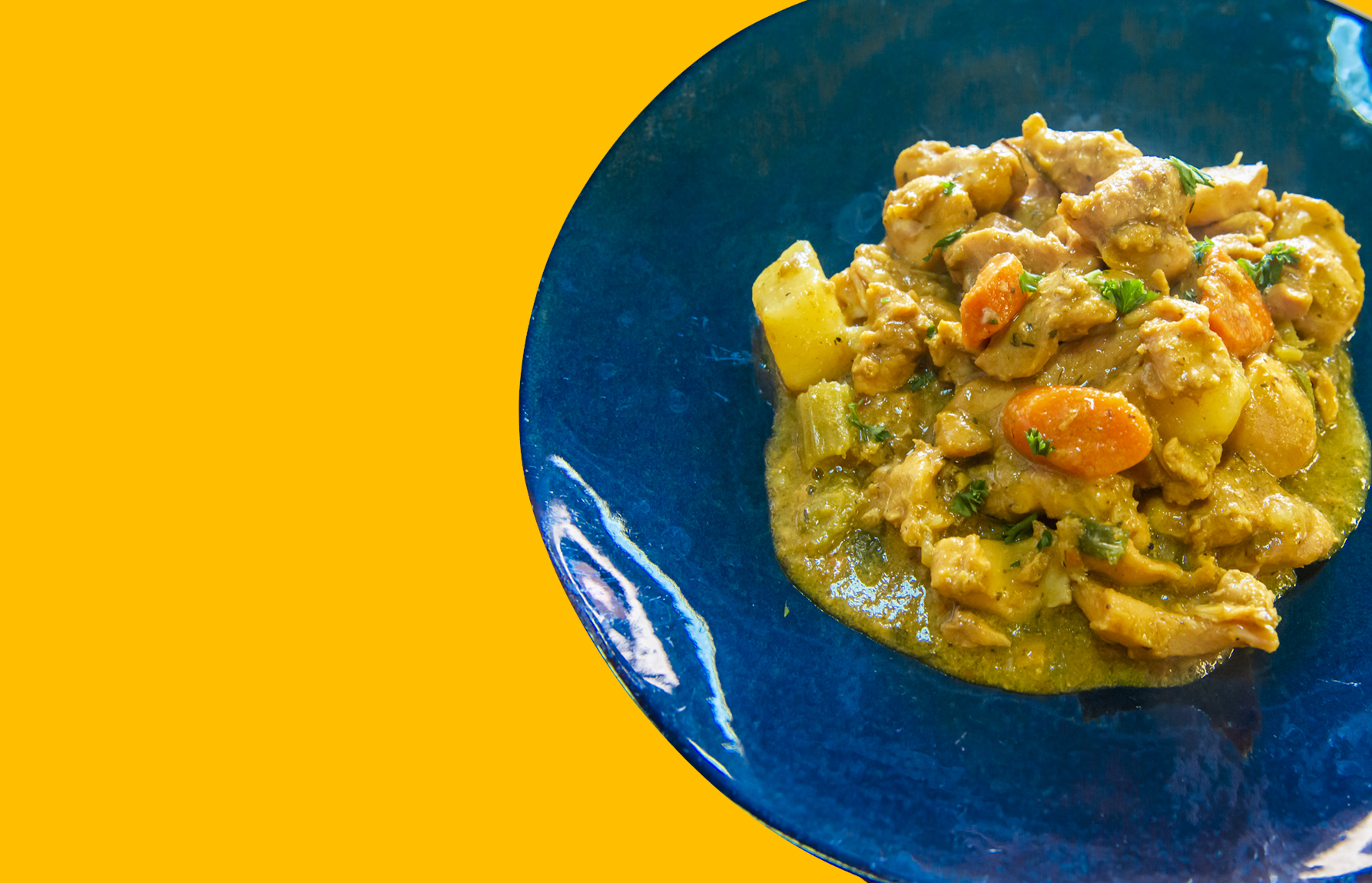
Goat suits this style of cooking particularly well. It stands up to long simmering, absorbs spice deeply, and becomes tender with time. In Jamaica, curry goat is often reserved for gatherings, Sunday dinners, and celebrations, though many cookshops serve it daily. The best versions are not rushed. The gravy should be glossy and developed, with the spice blooming into the meat rather than sitting on top of it. Potatoes are common, not as filler alone, but because they carry the sauce beautifully.
Some people outside the Caribbean assume curry goat is uniformly fiery. In practice, heat varies widely. What matters more is depth. An experienced cook knows when to "burn" or toast the curry lightly in fat before adding liquid, a small step that changes the entire dish. It tames the rawness of the spice and builds a rounder flavor. That sort of judgment is the difference between competent curry and memorable curry.
Rice and peas, the partner that deserves equal billing
Few dishes in Jamaican food are as frequently misunderstood by name as rice and peas. In Jamaica, the "peas" are usually beans, often red kidney beans or gungo peas, depending on the season and the meal. The dish is not a side in the minor sense. It is a structural part of the plate, carrying coconut milk, scallion, thyme, and often a whole scotch bonnet for fragrance.
Its roots lie in African and Caribbean one-pot traditions, where legumes and grains were paired for nourishment and economy. Coconut milk adds richness and island character. The result is a dish that can support strong flavors without fading into the background. Rice and peas with jerk chicken, curry goat, fried fish, or stewed oxtail creates harmony because it brings starch, fragrance, and a gentle creaminess that offsets spice and salt.
Sunday dinner in many Jamaican homes has long been linked to rice and peas. That regularity matters. When a dish appears week after week, across class lines and regions, it moves beyond accompaniment and becomes part of national rhythm. Anyone trying to understand Jamaican food without understanding rice and peas is missing the cadence of the table.
Jamaican patties, portable food with a layered ancestry
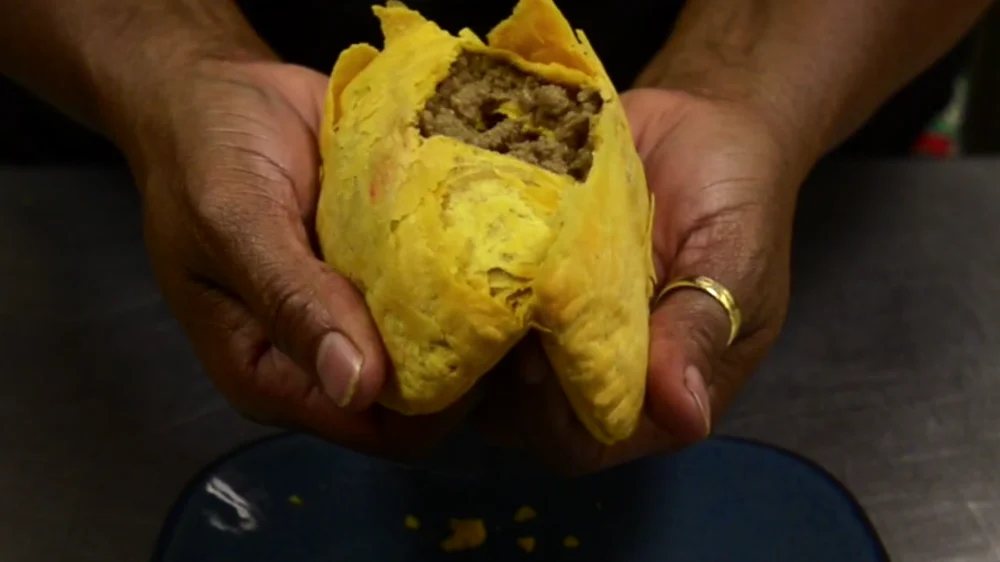
The Jamaican patty is one of the island’s greatest street foods, practical, filling, and instantly recognizable. At first glance, it resembles other hand pies found across the former British Empire and beyond. That resemblance is not accidental. Its pastry lineage likely owes something to Cornish pasties and other British savory pies. Its seasoning, however, is unmistakably Caribbean.
Patty filling is usually spiced ground beef, though chicken, vegetable, callaloo, saltfish, shrimp, and soy-based versions are common now. The crust is typically tinted yellow with turmeric or annatto and should be flaky rather than bready. A good patty leaves delicate shards of pastry on your fingers and delivers a filling that is moist, seasoned, and warm with pepper.
Its importance goes beyond flavor. Patties became a democratic food, sold in bakeries, school canteens, bus stops, and city centers. They are quick, affordable, and deeply familiar. In that sense, the patty occupies a role similar to the meat pie in some countries or the empanada in others, but with a profile that is fully Jamaican. The common pairing with coco bread, a soft, slightly sweet bread that cushions the patty, shows Jamaica’s gift for making hearty food even more satisfying.
You can learn a lot about a place by observing what people eat in transit. In Jamaica, the patty tells a story of urbanization, working routines, and local entrepreneurship as much as culinary tradition.
Escovitch fish, vinegar, fire, and the logic of the coast
Escovitch fish stands at the meeting point of preservation and pleasure. The name suggests Spanish influence, related to escabeche, a method of cooking and marinating food in an acidic sauce. Jamaica adapted the idea with characteristic boldness. Whole fish, often snapper or king fish, is fried until crisp, then dressed with a hot mixture of vinegar, onions, carrots, pimento berries, and scotch bonnet pepper.
The dish is especially associated with coastal cooking and festive occasions, including Easter in many households. It makes practical sense in a hot climate. Acid and spice help preserve freshness briefly while also sharpening flavor. But escovitch is not just functional food. The contrast is the point: crisp skin, moist flesh, bright vinegar, sweet onion, fierce pepper.
Done badly, escovitch becomes harsh, either too sour or too oily. Done well, it is exacting. The fish must be fresh. The dressing must wake the palate without drowning it. Some cooks let the vegetables soften slightly; others prefer more bite. This is one of those dishes where regional preference and household style matter. There is no single authoritative version, only a set of principles that experienced cooks handle with instinct.
Rundown and the intelligence of coconut cooking
Rundown, often made with mackerel, is a dish that deserves more international attention than it gets. At its core, it is a coconut-based preparation in which the milk is simmered down until it thickens and concentrates around fish, seasoning, and aromatics. The name itself refers to that reduction process, the liquid "running down" into something richer.
This is old Caribbean intelligence at work. Coconut was plentiful, preserved fish was available, and together they could produce a deeply satisfying meal without elaborate ingredients. Mackerel rundown, with tomato, onion, thyme, and pepper, speaks especially clearly to working kitchens and rural tables. It is economical, but that word can be misleading. Economical food, in Jamaica, often carries immense flavor and technical confidence.
What makes rundown memorable is the way the coconut changes character as it cooks. It begins soft and milky, then grows more savory and intense. The fish seasons the sauce, and the sauce in turn reshapes the fish. Served with roasted breadfruit, boiled provisions, or white rice, it feels complete and grounded.
Mannish water, pepper pot, and the culture of communal cooking
Some signature Jamaican dishes are less about daily menus and more about occasion, belief, and gathering. Mannish water is a clear example. This soup, traditionally made with goat parts, root vegetables, herbs, and pepper, is strongly associated with celebrations, especially outdoor parties and community events. It has a reputation as a strengthening dish, even an aphrodisiac in popular folklore.
Its origins are tied to frugality and full-animal cooking, practices with deep African resonance and practical necessity. Nothing useful was wasted. Bones, head, tripe, feet, and tougher cuts became the basis for nourishing soups. In Jamaica, those soups also became social food, cooked in large pots for many people at once.
Pepper pot soups and other hearty broths occupy similar territory. They show that Jamaican food is not only about flashy spice or famous exports. It is also about patience, extraction, and feeding groups well. These dishes ask for time, not glamour. They are built on the knowledge that flavor often comes from parts of the animal or plant that industrial food cultures ignore.
Callaloo, rastafarian cooking, and a different register of Jamaican food
Any serious look at Jamaican food should acknowledge that not all signature dishes center meat or fish. Callaloo, a leafy green dish related to broader Afro-Caribbean traditions, is one of the island’s essential foods. It may be steamed, sautéed, or folded into breakfasts and side dishes with onion, tomato, thyme, and pepper. It is humble on paper and deeply expressive in practice.
Rastafarian food culture, often described through the concept of ital cooking, has also shaped the public understanding of Jamaican cuisine, especially outside the island. Ital food emphasizes natural ingredients and, depending on the practitioner, may avoid salt, processed items, or animal products. While not every Jamaican eats ital, its influence has elevated dishes centered on vegetables, legumes, and ground provisions.
That matters because Jamaican food is too often reduced abroad to jerk chicken alone. The actual cuisine is broader, with a strong tradition of plant-based and vegetable-forward cooking that deserves equal respect.
Why these dishes endured
Signature dishes survive for reasons beyond taste. They fit the island’s climate, economy, and social life. They use ingredients that traveled well, grew well, or stretched well. They suit street vending, family gatherings, and festive cooking. They also reward memory. Once someone grows up with the scent of thyme in rice and peas, pimento smoke in jerk, or the soft richness of ackee against saltfish, those flavors do more than satisfy hunger. They anchor identity.
There is also an important point about adaptation. Jamaican cooks rarely treated imported ingredients as fixed in meaning. Salt cod became national breakfast. Curry became Jamaican curry. British pastry logic turned into the patty. Spanish pickling ideas became escovitch. West African ackee found its fullest public life in the Caribbean. That pattern explains the confidence of Jamaican food. It borrows, but it never sounds borrowed for long.
For anyone trying to understand the island through its cuisine, these dishes are not simply "must-tries." They are case studies in how a people turn history into flavor. They show constraint answered with invention, outside influence answered with transformation, and everyday ingredients answered with skill. That is why Jamaican food continues to travel so well, even when imitations flatten it. At its best, it carries the unmistakable force of a place that knows exactly who it is.
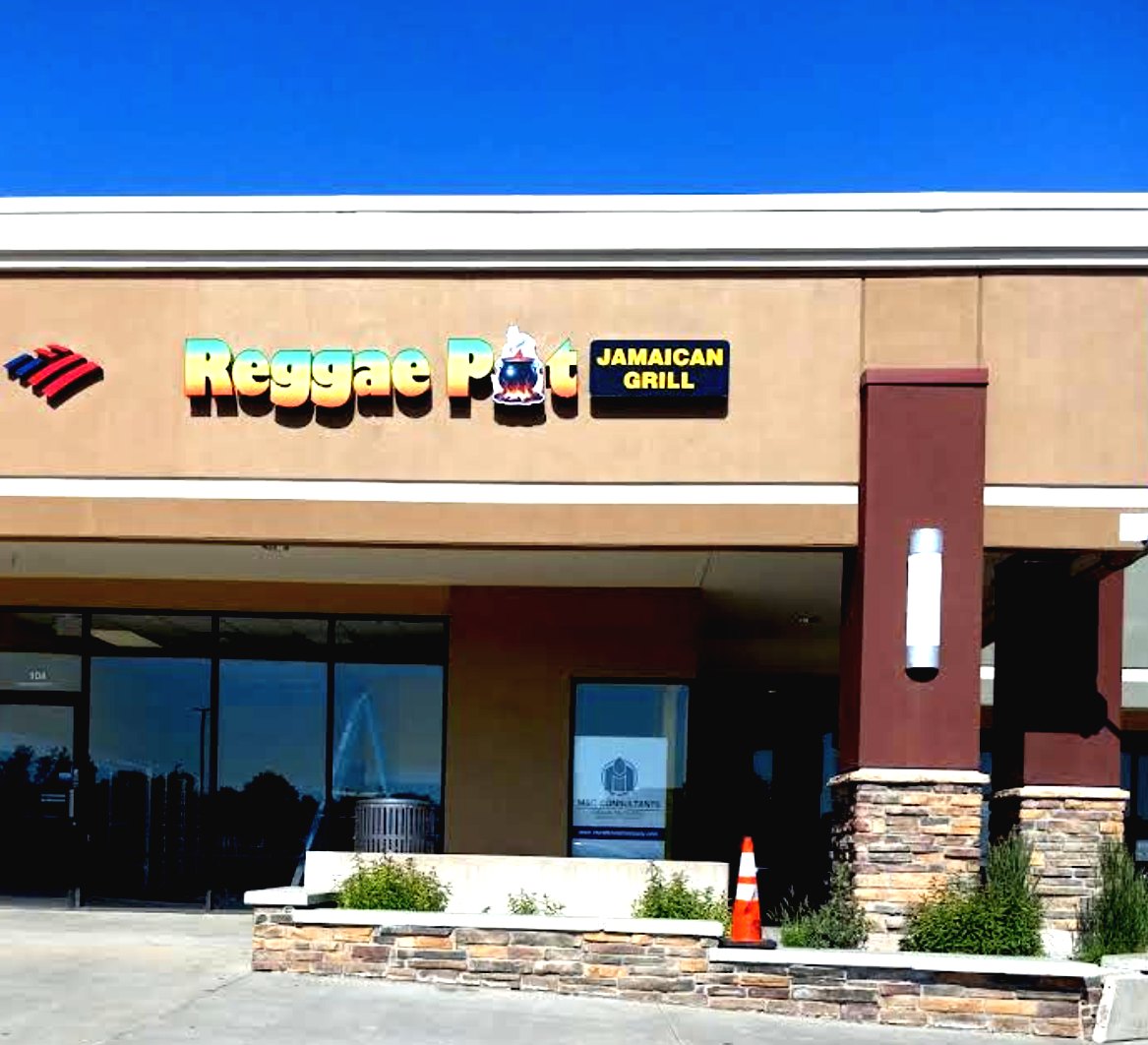
Reggae Pot Jamaican Grill
2243 S Monaco St Pkwy #104
Denver, CO 80222
+1 720-410-2956
FAQ About jamaican food
What is the best Jamaican food to try in Denver?
The best choice depends on your tastes. Popular options include jerk chicken, curry goat, slow-cooked oxtail, and savory patties. Reggae Pot lists these dishes on its menu, with sides such as rice and peas and plantains. Ask the Denver team about current availability and spice levels.
Is Jamaican food very spicy in Denver?
Heat varies by dish and preparation. Jerk seasoning often includes scotch bonnet peppers alongside herbs and allspice, while other dishes may have gentler seasoning. Ask about the heat of the specific dish and any sauce before ordering.
What are some popular Jamaican snacks?
Jamaican patties are a popular snack made with flaky pastry and savory meat or vegetable fillings. Other options include fried dumplings and festival, a sweet fried dough often served with savory dishes. Availability varies, so check the current menu when ordering.