Experience Warm Hospitality at a Cuban Bakery Aurora CO
Walk into a good Cuban bakery and you notice the welcome before you fully register the aroma. It is there in the pace of the room, in the easy greetings at the counter, in the way regulars linger over coffee instead of rushing out with a bag in hand. At the best spots, hospitality is not a marketing line. It is the operating system. That is exactly why a visit to a Cuban bakery Aurora CO can feel less like a quick errand and more like stepping into a place that knows how to take care of people.
Aurora is a city where food tells the story of migration, memory, and adaptation. Strip malls and neighborhood corners hold some of the most honest meals in the metro area, and bakeries are often where that honesty is easiest to taste. A Cuban bakery does not need a grand dining room or trendy branding to leave an impression. Often, the appeal comes from details that are harder to fake: pastry cases filled early in the morning, strong coffee served without fuss, warm bread that does not sit long enough to lose its character, and staff who remember what you ordered last time.
That combination of food and warmth matters. Plenty of places can sell a pastry. Fewer can create the sense that you are welcome to stay a little longer, ask questions, and leave with something that feels personal. For anyone exploring the local dining scene, or anyone simply craving a better breakfast than the standard chain café can offer, a Cuban bakery in Aurora offers a different rhythm and a richer kind of experience.
What makes a Cuban bakery feel distinct
The first difference is sensory. Cuban baking leans on contrast. You smell butter, sugar, espresso, and yeasted bread all at once. The pastry case often holds flaky, glazed, powdered, or golden brown items with textures that range from shatteringly crisp to pillowy soft. Even before you order, you can tell that these are foods built around comfort.
Then there is the social side. In many Cuban bakeries, the bakery counter and coffee station work almost like a neighborhood commons. Some customers come for a box of pastries to bring to work. Others stop in for a midmorning cafecito and conversation. Families pick up bread for dinner. Workers grab a sandwich that delivers more value and flavor than most fast casual lunches. The room has movement, but it rarely feels anonymous.
That matters because hospitality is part of the product. A skilled baker can make an excellent guava pastry. A thoughtful front of house team turns that pastry into part of a memorable stop by guiding first time visitors, making recommendations, and keeping the mood generous. In places with strong roots, the hospitality carries the same weight as the recipes.
The pull of the pastry case
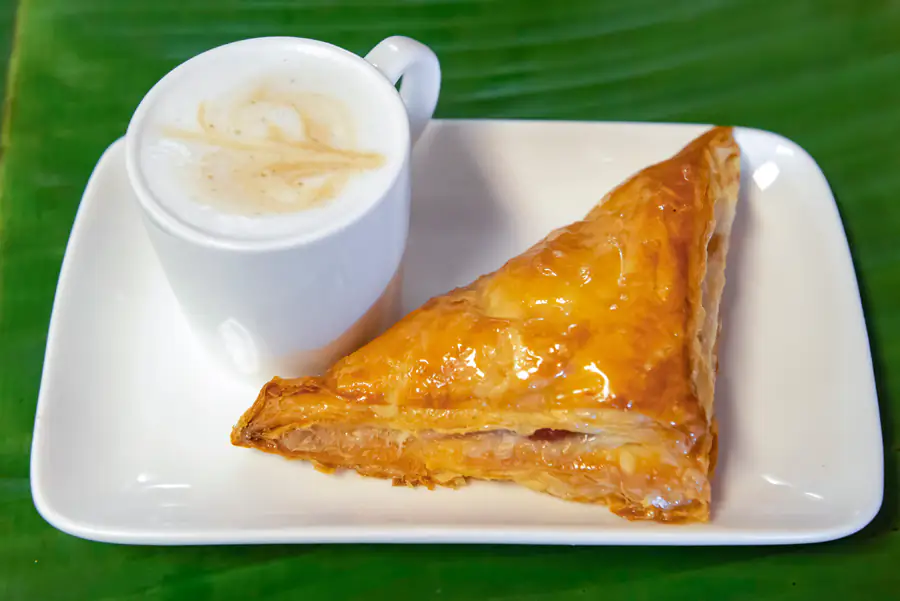
A proper bakery case does two things at once. It tempts you, and it teaches you. Even if you came in with a plan, you may find yourself recalculating once you see the range in front of you. The classics often include pastelitos with guava, cheese, or a combination of both. The best ones balance sweetness and structure. The filling should be flavorful without flooding the layers, and the pastry should stay crisp enough to make a light crackle when you bite in.
You may also find croquetas near the savory side of the counter, along with empanadas or stuffed breads depending on the bakery. If you have never built a breakfast around a savory pastry and a small, strong coffee, this is a good place to start. It is satisfying in a way that feels practical rather than heavy.
Texture tells you a lot about quality. A bakery that turns product quickly usually shows it in the finish of its pastries. Glazes still shine. Laminated dough still has lift. Bread still smells alive. These are not tiny details. In bakery work, timing is everything. A pastry can move from exceptional to merely fine in the space of a few hours. Experienced customers learn to read the case almost like a menu and a schedule at the same time.
Coffee is not an afterthought
If the pastry draws you in, the coffee often makes you return. Cuban coffee culture has its own personality. It is small in size, big in flavor, and woven into daily habit. A cafecito is not the same experience as a large drip coffee carried through traffic. It is more concentrated, more social, and usually more intentional.
That does not mean it needs ceremony. One of the pleasures of ordering Cuban coffee is that it often arrives quickly and confidently. A cortadito brings balance, with espresso softened by milk but not buried under it. A café con leche can anchor breakfast, especially alongside toasted bread or a sandwich. The sweetness level varies by shop and by customer preference, but the best places know how to calibrate strength so the cup tastes decisive instead of harsh.
In a Cuban bakery Aurora CO visitors often discover that coffee service shapes the whole room. People come in for five minutes and stay twenty. A quick stop stretches into a conversation. Someone asks what to pair with a pastry. Another customer offers an opinion from two stools away. That kind of exchange is hard to stage, and easy to appreciate.
The sandwich counter, where many bakeries prove their range
Some people think bakery and only imagine sweets. That misses half the picture. In many Cuban bakeries, the sandwich menu is a serious reason to visit. A Cuban sandwich done well depends on restraint and balance. The bread should hold a crisp exterior and soft interior. The pork, ham, cheese, mustard, and pickles need to work as a unit rather than competing for attention. Pressing matters. So does moisture. Too dry and the sandwich https://edgarkfyv162.readspirex.com/posts/best-afternoon-snacks-from-a-cuban-bakery-in-aurora-co feels punishing. Too wet and the bread loses its edge.
When a bakery makes its own bread, the sandwich often benefits immediately. The loaf has the right shape, the right chew, and the right capacity to stand up to heat. This is one place where in house baking is not just a point of pride. It changes the final product.
Breakfast sandwiches can be just as compelling. Eggs, ham, cheese, and Cuban bread have a directness that suits busy mornings. The best versions taste fresh rather than overbuilt. You should be able to finish one and feel ready for the day, not slowed down by it.
Lunch at a bakery also gives you a different value proposition than many sit down restaurants. You can often eat well without overpaying, especially if you pair a sandwich with coffee instead of a full meal with extras. For workers nearby, students, or families looking for a dependable stop, that matters.
Warm hospitality is made of small actions
People often speak about hospitality as if it were abstract. In practice, it is highly specific. It shows up in whether someone behind the counter notices you are new and offers a brief explanation of what is popular. It shows up when they split a pastry for two people without acting inconvenienced. It shows up when a regular walks in and the staff already knows whether they want café con leche or a sandwich to go.
At many neighborhood bakeries, there is a kind of professional informality that makes people comfortable. The service is efficient, but not cold. Staff may move fast during a morning rush, yet still make time for courtesy. That balance takes experience. Too much chatter slows everything down. Too little makes the room feel transactional. The best bakeries understand the tempo.
I have always thought one of the clearest signs of genuine hospitality is how a place handles uncertainty. What happens when a customer cannot decide? What happens when an item sells out? What happens when a family comes in with children, or someone has questions about ingredients, or a first timer mispronounces the name of a pastry? Shops with real warmth do not make those moments awkward. They guide people through them.
That guidance is especially important in a city as varied as Aurora. Not every customer grew up with Cuban food, and not every visitor knows the difference between a guava pastry and a meat filled one. A bakery that can educate without sounding rehearsed builds trust quickly.
Why Aurora is a natural home for this kind of bakery
Aurora rewards places that serve communities rather than chasing hype. The city is broad, diverse, and practical. Residents know how to spot businesses that are serious about consistency. A Cuban bakery fits this landscape well because it offers something people can use in real life. Breakfast on the way to work. Bread for the house. Pastries for a birthday table. Sandwiches for lunch. Coffee that does not taste generic.
There is also a deeper reason these bakeries matter. Immigrant food businesses often preserve cultural habits in ways that restaurants alone cannot. A bakery keeps time differently. It is tied to mornings, routines, family gatherings, and the simple need to pick up something fresh. It becomes part of the week, not just a once a month treat.
In Aurora, where many neighborhoods are shaped by people from different countries bringing their own food traditions, bakeries help create continuity. They give longtime residents something familiar and give newcomers a place to learn through taste. You do not need a formal lesson to understand a culture’s values when you can watch how people order, share, linger, and return.
What to order if it is your first visit
If you have never been to a Cuban bakery before, the smartest move is to order across sweet, savory, and coffee. That gives you a feel for the bakery’s range and tells you where its strengths really are. A guava and cheese pastry is often a good starting point because it captures the sweet savory interplay that makes many bakery items so memorable. Pair that with a cortadito if you like a stronger coffee, or café con leche if you want something gentler.
If you arrive closer to lunch, a pressed Cuban sandwich is the obvious benchmark. It is common enough that most customers have expectations, which makes it a useful measure of quality. Watch the bread. Listen for the crust when it is pressed. Pay attention to whether the mustard and pickles brighten the richness instead of overpowering it.
Savory pastries deserve attention too. A well made croqueta can tell you a lot about a kitchen’s discipline. Good ones should be crisp outside, creamy inside, and seasoned with control. They are easy to underestimate and disappointing when neglected.
If you are bringing food to an office or gathering, pastries travel well, especially the fruit and cheese varieties. Bread and sandwiches require more timing, so ask what is best for later service if you are not eating right away. Good staff will usually be honest about what holds best.
Freshness is the quiet standard behind everything
Hospitality may be what you feel, but freshness is what makes the feeling sustainable. No amount of friendliness can rescue stale bread or tired pastry. The strongest bakeries understand that trust is built batch by batch.
Morning is often when a bakery shines brightest, though that does not mean later visits are a mistake. It simply means you should calibrate expectations the way experienced customers do. Certain items are at their peak within a narrow window. Delicate pastries are most impressive soon after they are set out. Sandwich bread may be excellent all day if turnover is high. Coffee should be reliable no matter the hour.
One useful sign is how staff answer questions about what just came out or what is most popular that day. When a team is engaged with the production rhythm, they can guide you toward the right order at the right time. That is not salesmanship. It is stewardship.
I have seen this in bakeries of every style. The places that earn loyalty are rarely those with the biggest selection. More often, they are the ones that know how to keep a focused case in strong condition, restock intelligently, and avoid the temptation to let too many items sit past their prime.
The emotional value of neighborhood bakeries
Food writing often spends too much time on novelty and not enough on reliability. A bakery becomes important to people because it is there when needed. It handles ordinary life well. You remember where you bought pastries before a family visit, where you grabbed coffee after a hard morning, where a staff member asked how your week was and actually waited for the answer.
That kind of place builds a community around repetition. Regulars form habits. Children grow up recognizing the smell of toasted bread and sweet espresso. Visitors get introduced by friends. The bakery becomes a local reference point, even for people who are not in every week.
A Cuban bakery Aurora CO can serve that role beautifully because its menu naturally supports both everyday needs and small celebrations. You can stop in for one pastry and feel satisfied. You can also walk out with enough food to feed a table. Few food businesses bridge those scales as gracefully.
A few practical tips for getting the best experience
Timing can shape your visit more than people realize. Weekday mornings often offer the fullest pastry selection, but they can also be the busiest. Midmorning can be ideal if you want a calmer pace without missing the freshest items. Lunch brings sandwich traffic, and weekends often attract families and larger takeout orders.
If you are unsure what to get, ask for the item that the staff would choose for themselves at that moment. That question usually cuts through generic recommendations. It also opens the door to discovering something beyond the obvious bestseller.
For larger orders, calling ahead is wise, especially if you want a substantial number of pastries or sandwiches. Bakeries operate on production schedules, and a little planning helps them serve you well without straining the flow of the day.
If you plan to take food home, treat pastry and bread according to type. Flaky pastries are best eaten soon. Bread can often be revived with gentle reheating. Pressed sandwiches usually lose some texture if they sit too long, so time those closer to serving.
More than a meal, a sense of welcome
The best reason to seek out a Cuban bakery is not that it offers something exotic or trendy. It is that it offers something grounded. You walk in hungry and leave fed, yes, but also steadied. The combination of fresh baking, strong coffee, savory lunch options, and sincere service creates a kind of everyday luxury that does not need to announce itself.
That is what warm hospitality looks like in practice. It is not extravagant. It is attentive, consistent, and generous in the ways that count. In Aurora, where good food often hides in plain sight, a Cuban bakery can become the place you recommend without hesitation. Not because it is trying to impress, but because it understands how to welcome people properly.
And once you have had that experience, the appeal is easy to understand. You return for the pastry, the bread, the sandwich, the coffee. You return just as much for the feeling that someone is glad you came in.
Cuba Bakery & Café
15028 E Mississippi Ave, Aurora, CO 80012
+1 303-752-2822
FAQ About Cuban bakery Aurora CO
What are Cuban pastries called?
Many small Cuban pastries are called pastelitos. They can have sweet or savory fillings, such as guava, cheese, guava and cheese, or seasoned meat. Cuba Bakery & Café lists guava, cheese, guava-and-cheese and beef pastries on its menu. Ask the bakery about current availability and ingredients when ordering.
What are traditional Cuban pastries?
Common Cuban bakery choices include flaky pastelitos filled with guava, cheese or meat. Cuban bakeries may also offer empanadas, breads and desserts alongside coffee. Cuba Bakery & Café lists pastelitos, several empanada fillings, pan Cubano and desserts such as tres leches and bread pudding. Selection can vary, so confirm the day's choices with the bakery.
What makes Cuban bread different?
Cuban bread is known for its light interior and a thin crust that becomes crisp when toasted or pressed. Traditional recipes often use lard, although ingredients vary by baker. It is commonly served as buttered toast or used for Cuban sandwiches. Cuba Bakery & Café lists pan Cubano and tostada on its menu; ask staff about the ingredients in their bread if you have dietary restrictions.